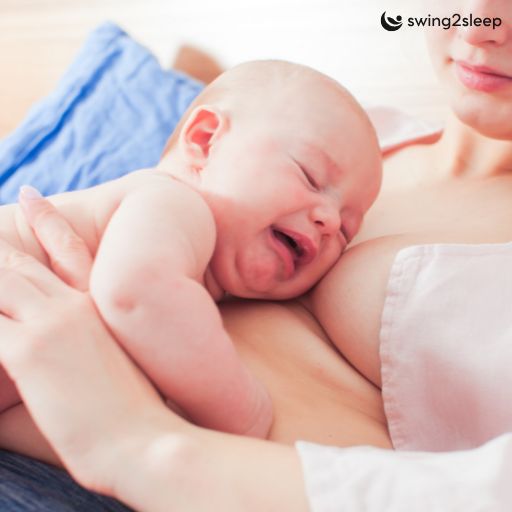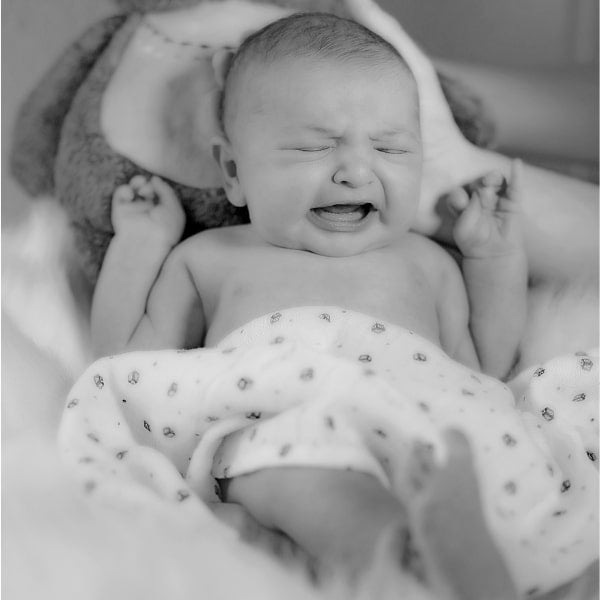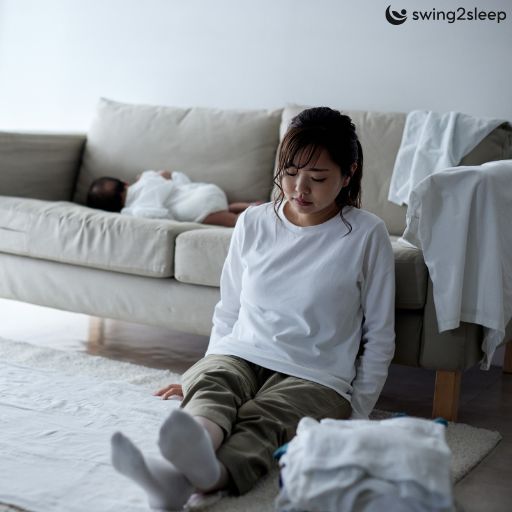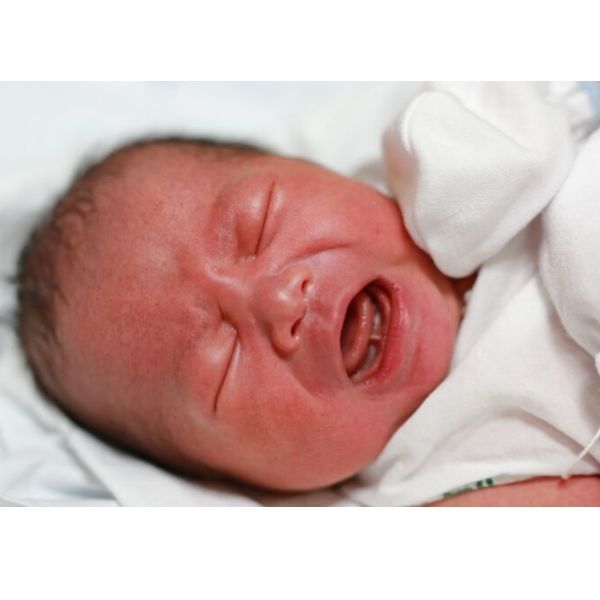


Many parents hear it early on: Your baby needs a structured daily routine, a quiet environment & as few stimuli as possible, especially if they cry a lot and are difficult to soothe.
But what sounds simple at first glance quickly raises questions in everyday life. What exactly are "too many stimuli"? And how can a low-stimulus environment be implemented without shielding the baby from the world?
Babys are born with a still immature nervous system. Everything is new: sounds, light, touch, smells, voices. Impressions that adults usually hardly perceive consciously hit a newborn unfiltered.
Many babies can only process these stimuli to a limited extent, and some react particularly sensitively. When a baby won't stop crying, frequent crying is not a sign of dissatisfaction, but an expression of being overwhelmed.
A low-stimulus environment therefore does not mean wrapping the baby in cotton wool or completely restricting everyday life. Rather, it is about consciously dosing stimuli, conveying security & giving the baby enough time to arrive in this new world.
This article explains what constitutes a low-stimulus environment, why it is so important for babies, especially for crying and very sensitive children, and how parents can implement it mindfully & practically in everyday life.

Arriving in the world
For a baby, birth marks the transition from a protected, steady environment into a world full of new impressions. What was muffled, rhythmic, and predictable in the womb is now experienced intensely, changeably, and unfiltered.
In the first days & weeks, the baby must first get used to sounds, light, touch, and smells. This adjustment takes time and places high demands on a still immature nervous system.
To understand why many babies react particularly sensitively during this phase, it is worth taking a closer look at their sensory perception & the role a low-stimulus environment plays in arriving in the new world.
Sensory perception in newborns & why stimuli quickly overwhelm
When a baby is born, its sensory world is still completely disorganized. For nine months, it was protected in the womb: sounds arrived muffled, light played almost no role, movements were steady and familiar. This environment was constant, warm, and predictable.
With birth, this changes abruptly. Suddenly everything is bright, loud, cool, and confusing. Voices come from different directions, hands touch the baby, smells change, light dazzles. While adults automatically filter many of these impressions, they hit a newborn uninhibitedly & simultaneously.
A baby's nervous system is not yet able to categorize or evaluate this multitude of stimuli. Every impression must be processed individually. If too many stimuli come together in a short time, it leads to overstimulation. This is often shown through restlessness, frequent crying, turning the head away, or later through persistent crying.
Some babies react particularly sensitively to this. They need more time, more peace, and more support to cope with the impressions of everyday life. Crying is not "problem behavior", but a form of relief, the only way to carry internal stress to the outside.
What a low-stimulus environment means and why it is so important
A low-stimulus environment aims to avoid overstimulation in the baby. It does not mean that a child should not receive any impressions at all. Rather, it is about reducing and organizing stimuli & giving the baby security so that it can process new experiences at its own pace.
Stimuli that are familiar to the baby are particularly important. These include physical contact, warmth, the heartbeat, the smell, and the voice of the caregivers. These impressions have a calming effect because they are already known to the baby from pregnancy and provide orientation.
A low-stimulus environment creates a framework in which the baby can process new impressions step by step. It gives the nervous system the opportunity to calm down and gradually adapt to the new world.
Especially for babies who cry a lot or react very sensitively to their environment – often referred to as a colicky baby, this form of support is particularly important. Frequent crying is not a sign of incorrect parental behavior, but an expression of being overwhelmed & an as yet immature nervous system.
A low-stimulus environment not only helps the child, but also relieves the parents and creates more security & serenity in everyday life.
Low-stimulus environment in daily life
With the start of everyday life, it becomes clear how many stimuli are quite naturally part of it. Noises, light, changing locations, appointments and social contacts are usually familiar and easy for adults to categorize. For a baby, on the other hand, every day is a sequence of new impressions that hit an as yet immature nervous system unfiltered.
Creating a low-stimulus daily life therefore means making everyday life more conscious and slower. It is not about avoiding stimuli, but about dosing them, planning breaks and giving the baby sufficient time to process them. This creates a framework that conveys security and prevents overstimulation, especially with sensitive or crying babies.
Noises, loud sounds and voices – what calms babies and what causes stress
Noises accompany a baby from day one. What is decisive is less the volume than the type & categorization of the noises.
Babies are familiar with a steady background noise from pregnancy. Complete silence can therefore be just as irritating as loud, unstructured noises. Familiar voices, especially those of the parents, have a particularly calming effect. They can be emotionally assigned & enable interaction.
Constant background noises such as the television or radio, on the other hand, are difficult for babies to categorize. Voices from technical devices have no visible origin and change frequently.
This can trigger stress. Telephone conversations, in which the caregiver speaks but does not interact with the baby, can also have an irritating effect. In everyday life, it helps to create conscious islands of calm and avoid unnecessary constant noise.
Optical stimuli: Light, colors and visual overstimulation
Optical impressions also hit babies unfiltered. Their ability to organize, evaluate & differentiate visual stimuli from one another only develops over the course of the first months of life. While adults automatically distinguish between what is important and what is unimportant, a baby perceives everything at the same time.
Bright light, strong contrasts, colorful patterns and lots of movement can therefore quickly seem overwhelming. Particularly bright colors, flashing elements or constantly changing images demand a lot of processing power from the still immature nervous system. This can manifest itself in restlessness, turning the gaze away or increased irritability.
A visually calm environment helps the baby to orient themselves & feel secure. Dimmed light, few harmonious colors and clear, simple shapes create clarity and reduce stress.
A consistent environment also has a stabilizing effect, as the baby recognizes & can categorize familiar things. Especially in the first weeks of life, a calm visual design helps to avoid sensory overload and give the baby a sense of security.

Everyday life, appointments and visits – how sensory overload occurs
Sensory overload rarely arises from a single stimulus, but from the sum of many impressions within a short period of time.
Shopping, doctor's visits, meeting friends, classes or family visits, all of this means new faces, voices, places & smells. For adults, these activities are everyday life, but for babies they are a sequence of intense impressions without sufficient processing time.
Especially in the first weeks, it makes sense to reduce appointments & allow the baby enough rest periods. Visits should also be dosed. The baby does not have to be passed from arm to arm & is allowed to demand closeness to its caregivers.
A calm daily routine helps the baby to better process what they have experienced & reduce evening restlessness.
Daily structure and gentle transitions in baby's everyday life
Babys benefit from repetition & predictability because it gives them orientation in a still overwhelming world. A gentle daily structure helps the baby to recognize what happens next and conveys security, without rigid schedules or fixed times.
Consistent routines are crucial. Recurring actions, similar sequences during breastfeeding, diaper changes or bedtime, as well as calm rituals signal reliability to the baby.
Transitions in particular represent a challenge for babies. The change from being awake to sleep, from outside to inside or from activity to rest requires time & guidance.
If these transitions are consciously designed to be calm, the baby can adjust to them better. Gentle words, slow movements & short breaks help to reduce stimuli.
Especially babies who react sensitively or cry a lot benefit if they do not have to switch abruptly from one situation to the next. A clear, calm structure makes it easier for them to settle down & process what they have experienced.
Support, regulation and protection
In the first months of life, babies are completely dependent on the support of their caregivers. They cannot yet control their feelings, their inner tension and their reactions to external stimuli themselves.
Everything they experience is co-regulated through closeness, relationship and guidance. A low-stimulus environment alone is therefore not enough; what is decisive is how parents support and protect their baby in everyday life & convey security to them.
Through physical closeness, reliable reactions, a calm environment and the mindful perception of childhood signals, adults help the baby to settle down and reduce inner tension. This form of co-regulation forms the basis for emotional stability & healthy development.
Closeness and carrying: Security as natural protection against stimuli
Physical closeness is one of the most effective ways for babies to settle down and feel safe.
When carried in a wrap or a carrier, the baby is protected from excessive external stimuli. It feels the body heat, the heartbeat and the familiar movements of the caregiver. If impressions become too much, it can turn its gaze away & snuggle up to the body.
This form of closeness is reminiscent of the time in the womb & supports the nervous system in calming down. It is important that the baby is carried facing the wearer & not facing outwards, as it would otherwise be exposed to a constant flood of stimuli.
Toys, clothing and sleeping area – less is more
Babies only need very little external stimulation in the first months of life. Their nervous system is still busy processing basic impressions and getting to know their own body. Too many objects, noises or visual stimuli can disrupt this process rather than support it.
An excess of toys, loud music boxes or bright colors quickly become overwhelming. For a small baby, their own hands, feet and the faces of their caregivers are the most exciting "toys".
They offer familiar stimuli that the baby can explore at its own pace. If toys are used, they should be calm, manageable and as low-stimulus as possible. A few, selected objects are significantly more valuable for development than constantly changing offers.
Clothing and the sleeping area also influence the baby's well-being. Soft, natural materials, comfortable cuts & muted colors help to avoid unnecessary stimuli. Scratchy fabrics, tight clothing or striking patterns can make the baby restless without this being immediately recognized as the cause.
The sleeping area should primarily convey security & peace. A consistent environment, gentle light and a reduced visual design help the baby to find rest more easily.
Elements such as a canopy over the cradle or a calm background can help to block out the outside world a little. The clearer and calmer this place is designed, the better the baby can relax & sleep.
On the go with baby: Strollers, eye contact, and shielding
Babies cannot yet regulate themselves. They rely on their caregivers to help them deal with impressions, stress & overstimulation. Proximity, relationship, and mindful guidance are the most important protective factors against too many stimuli.
A baby's nervous system is still immature & needs external support to settle down. This so-called co-regulation happens primarily through familiar caregivers who convey security, orientation, and emotional stability.
Through calm voices, gentle touch, steady movements, and reliable reactions, the baby gradually learns to release internal tension. Only on this basis does the ability for self-regulation develop later.
Proximity and sensitive guidance are therefore not short-term soothing, but a central prerequisite for healthy emotional development.

Emotional stimuli and baby signals: how parents provide security
Babies react not only to external stimuli, but are also very sensitive to the emotional mood of their caregivers.
Hectic pace, stress, or inner restlessness are often transmitted unconsciously. A low-stimulus environment therefore also means slowing down your own daily routine and allowing yourself breaks.
Babies show clearly when something becomes too much for them. They look away, turn their head to the side, clench their hands, or become restless. Taking these signals seriously and allowing the baby a break is an important part of regulation.
Parents don't have to be perfect. Simply consciously perceiving and responding to the baby's needs creates security and trust.
Conclusion: Security, proximity, and time to settle in
Babies are not born with the ability to self-regulate. They first have to learn how to deal with the many new impressions that our environment holds. Avoiding sensory overload therefore does not mean slowing down development, but giving the baby the necessary foundation to develop healthily.
A high-need baby in particular often shows very clearly where this limit lies. Frequent crying is not a sign of spoiling or wrong handling, but an expression of the fact that the nervous system is overloaded.
A low-stimulus environment, sufficient rest periods, clear daily structures, and above all proximity and sensitive guidance help to reduce this internal stress.
Parents do not have to be perfect. Even small changes in everyday life, more conscious transitions, and perceiving the child's signals can achieve a lot. The more security, predictability, and comfort a baby experiences, the easier it is for them to arrive in this new world.
In the end, everyone benefits: the baby through more peace and balance, and the parents through more confidence in their own intuition and a more relaxed family life.
FAQ
How can you create a low-stimulus environment?
A low-stimulus environment is not created by complete shielding, but by consciously reducing and organizing stimuli. Helpful factors include calm routines, a manageable daily structure, and sufficient breaks between activities.
Dimmed light, few visual impressions, avoiding constant background noise, and a quiet sleeping environment support the baby in processing impressions better.
Familiar stimuli such as proximity, physical contact, and the voice of the caregivers are particularly important, as they provide security and have a calming effect.
Which stimuli overwhelm newborns?
Newborns cannot yet filter stimuli. Many simultaneous impressions are particularly overwhelming: loud or changing noises, bright light, strong contrasts, many foreign faces, frequent changes of location, and a full schedule.
Constant background noises such as TV or radio as well as hectic transitions between activities can also trigger stress. Since the nervous system is still immature, a baby needs time to process impressions. Too many stimuli in a short time therefore often lead to restlessness or persistent crying.