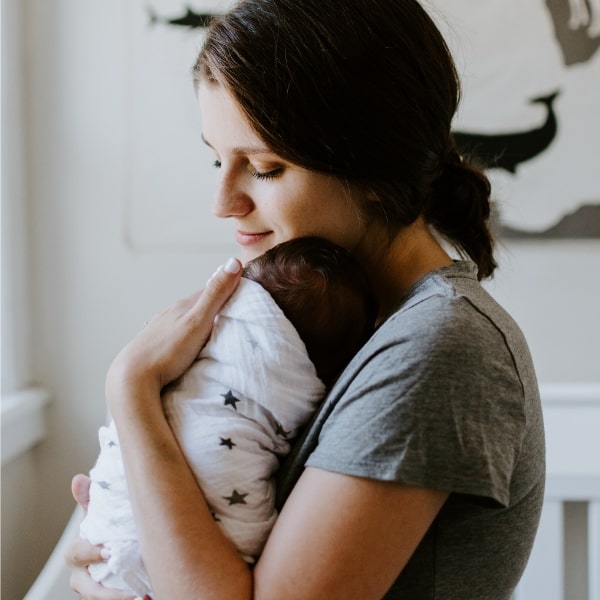


With the arrival of the baby, life is turned upside down, and nothing is as it was before. Even if this sounds like a platitude that is actually obvious, the force of the changes catches some new parents unprepared. Anyone who assumed that their previous life would simply continue after the birth, just with a baby, will arrive rudely on the floor of their new reality in the coming days and weeks. Parents know: A child simply changes everything.
After the birth, everyone involved finds themselves in a new life
But no matter how big the changes are for the parents – for the child they are always greater. If its life until now was narrow, warm, protected and secure, from one moment to the next it is thrust into a world it does not know. A child changes everything, but for the child, everything changes even more – and quite rapidly and rigorously.

The birth – and everything becomes different
Never again is a human being exposed to such major changes as at the moment of their birth. Perhaps we can even be quite glad that we all can no longer remember it? For a baby, at any rate, nothing is as it was before after birth. Now it must first adapt to the new situation – and that is sometimes not so easy.
In the mother's womb - paradise on earth
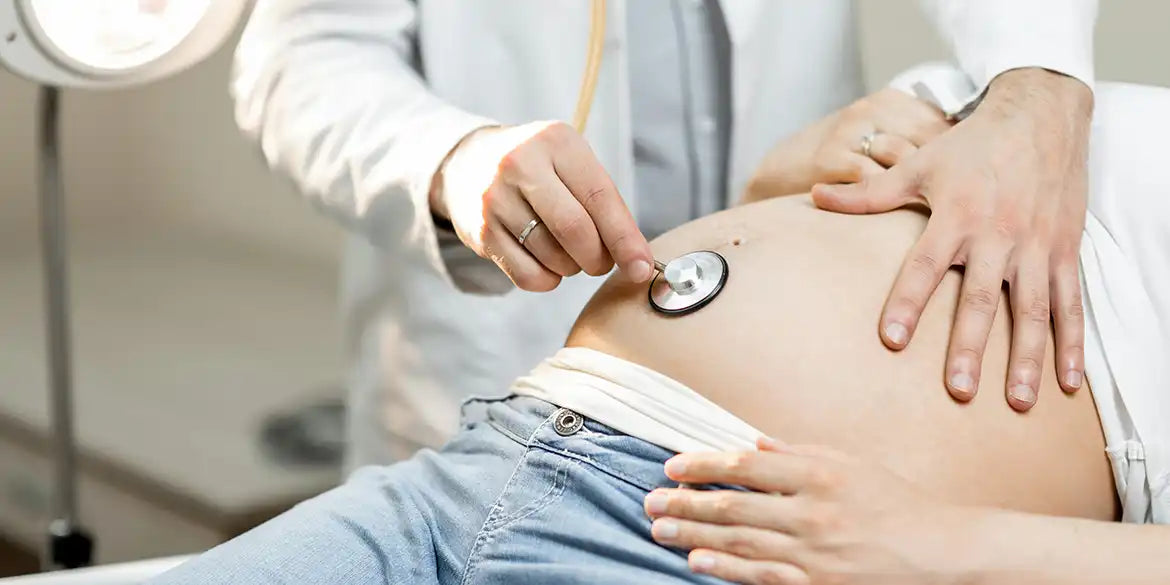
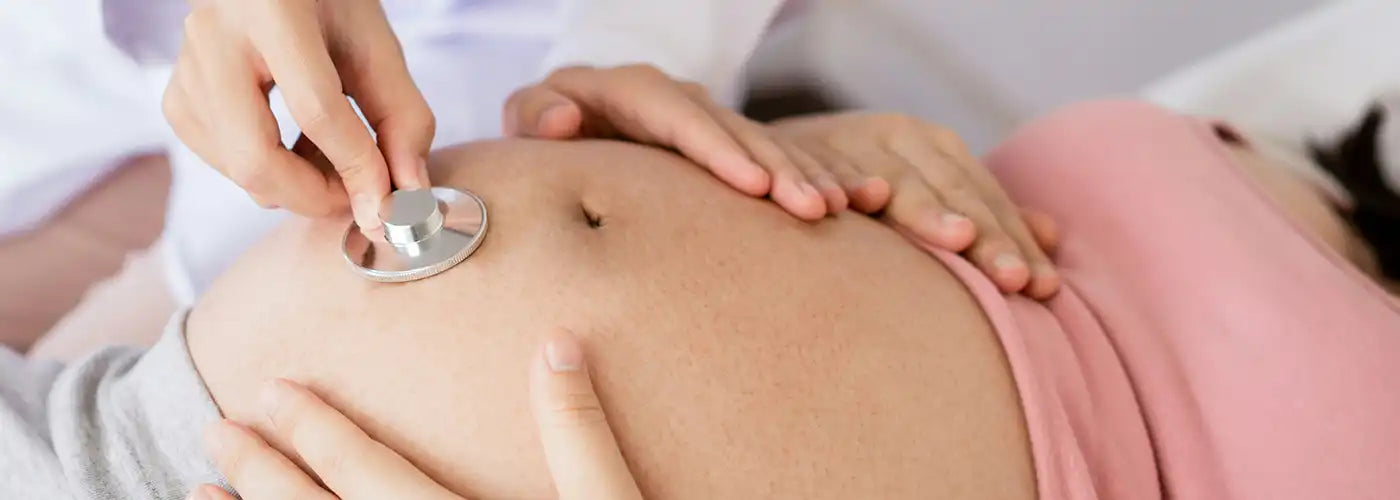
Since the day of conception, the baby has known nothing other than the protective shell of the uterus. It initially swims permanently in the amniotic fluid, so that it is always rocking – sometimes less and, when Mom moves, sometimes more. In the process, the baby paddles with its hands and enjoys the feeling of weightlessness, the warmth and soon also the cozy tightness.
From the 20th week, the baby can hear and perceive the noises in its environment: digestive sounds, the rushing of blood or Mom's soothing and familiar voice. There is much to hear in the womb, absolute silence never prevails.
Food intake is still very simple – the baby is supplied with nutrients around the clock via the placenta. It does not know feelings of hunger yet. Only towards the end of the pregnancy does the baby start to drink amniotic fluid and excrete it again – the stomach practices in the process how it feels to be empty or full.
The sense of touch is already being trained. This could hardly be otherwise, because the child is always and everywhere bumping into something. It is becoming increasingly cramped in the small dwelling, but for the child it means absolute security.
The child does not have to worry about the oxygen supply yet either. It is supplied with everything it needs via the umbilical cord.
At the very end of the pregnancy, the tightness prevailing in the uterus plays an important and formative role. The baby now has absolutely no space left. It lies tightly folded up, almost like a chick in an egg. But it doesn't mind, as it feels perfectly comfortable through the close, warm, and soft contact.
Completely protected and nourished, conditions for the child are actually paradisiacal. But the day is approaching when it will be expelled from this paradise. Then it's time: Out into the thick of life – into the cold, loud, and hectic world.
Life outside the belly
The difference could hardly be more extreme – while it was still wonderfully secure and cozy in the belly, that is now finally over. It can be strongly assumed that the time shortly after birth must be a real shock for babies.
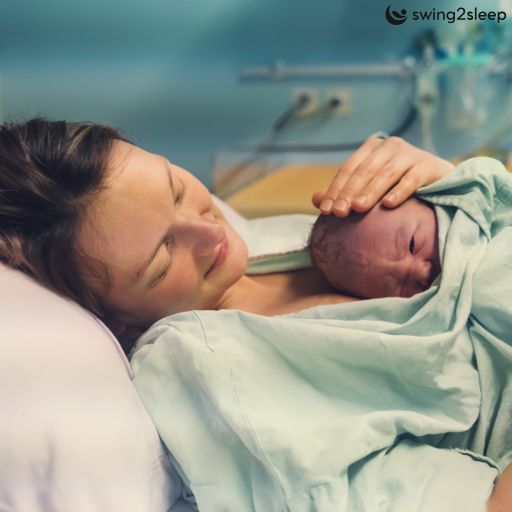
That is why the midwife covers a newborn baby with am warm cloth, so that it does not feel quite so lost and does not get cold.
The sounds of the outside world now hit the baby's delicate hearing with full force. There is no longer a protective womb to shield its sensitive ears. All sounds penetrate unhindered, and that can be quite frightening. But sometimes it is also simply pin-drop quiet, and that may be even more terrifying for the baby, who was previously constantly surrounded by noise. That is why babies love it so much, to sleep on Mom's or Dad's belly. There they perceive the heartbeat intensely. For them, this is wonderfully familiar and almost like before. Furthermore, for this very reason, babies do not need absolute silence for a nap in between. Quite the opposite – a little background noise usually even has a calming effect.
Birth is not only exhausting – great challenges also await the baby. From now on, it will no longer be supplied with food, but mustdrink at the breast itself. That seems to be quite a challenge at the beginning. Although all babies have an innate sucking reflex, drinking is still strenuous and needs to be practiced.
The first touch of the mother is also exciting and new. After all, the child has never experienced anything like this before. However, it will quickly learn to love this feeling. The first touches also have a formative effect. For this reason, many doctors and midwives leave the parents alone for a while at first, to give the family space to get to know each other. Everything else can wait.
Once the mouth and nose are clear after birth, the baby takes its first breath. This is also a very special moment. At this instant, the lungs unfold and begin to function. After that, the child must learn to breathe independently. Newborns initially breathe only through their nose. Over time, and as the breathing technique is refined, mouth breathing is added after a few months.
For the child, the seemingly endless expanses that suddenly surround them are also rather frightening. In mom's belly, everything was so nice and snug! Therefore, in the beginning, babies need a feeling of snugness to sleep and not an oversized bed with lots of space, in which they feel lost. For this reason, newborns are frequently swaddled, and also by carrying them in a sling or through kangarooing, you fulfill your baby's need for snugness, closeness, and security.
Now you can appreciate how big the transition is for your baby and respond better to their needs accordingly. The adaptation period to the big, wide, and also frightening world can take a while, and you should give your baby this time.
The time of transition - patience, love, security
You can make the transition easier for your offspring by, for example, shielding them from too many stimuli, carrying them a lot, swaddling them, and simply giving them plenty of love and security, but also patience. This is exactly what babies need in their first hours, days, and weeks of life.
In a swing2sleep, newborns in particular feel completely at ease. Thanks to the gentle up-and-down movements and the cozy snugness, your little sunshine feels safe and secure, just like in mom's belly. At the same time, the hammock offers effective protection against sensory overload from the outside. This allows your sweetheart to truly arrive in their new world.
The team at swing2sleep wishes you all a wonderful time getting to know each other.