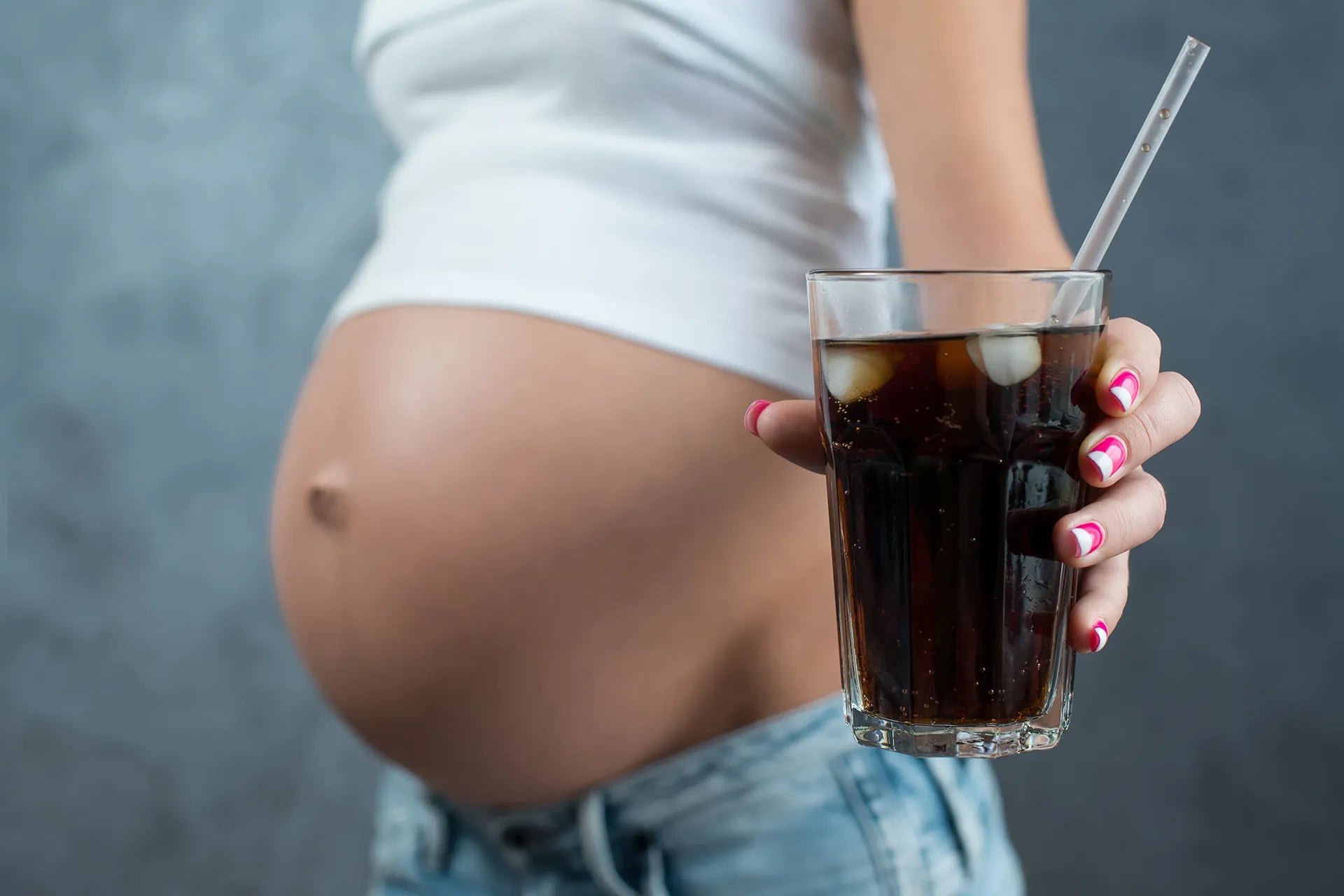


When you are pregnant, a particularly intense time begins for you. In the coming months, a little person will grow inside you and you will need to take good care of them. As an expectant mother, there are some foods that you should avoid until your baby is born. Can pregnant women actually drink cola?
There are various aspects to consider when it comes to cola during pregnancy, including the caffeine and sugar content and the possible effects on the health of mother and child. In this article, we summarize the various expert opinions for you.
Coke during pregnancy: how much is allowed?
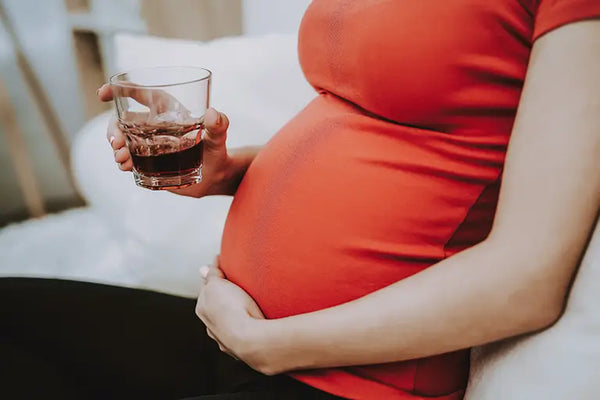
During pregnancy, it is recommended that you reduce your consumption of cola and other caffeinated drinks. Although one or two glasses of cola are occasionally considered safe, expectant mothers should still keep an eye on their total sugar and caffeine consumption.
The German Nutrition Society (DGE) recommends consuming no more than 200 mg of caffeine per day. This corresponds to about two liters of Pepsi, based on the average caffeine content. However, sugar consumption should also be taken into account, which can quickly exceed the recommended daily dose.
Despite the risks, cola is not strictly forbidden during pregnancy. However, moderate consumption is recommended in order to minimize potential risks for the unborn child.
So what alternatives can I drink without hesitation?
Caffeine-free and sugar-free versions of cola can offer an alternative, although the consumption of sweeteners must also be taken into account here. As a general rule, a balanced and healthy diet should take priority during pregnancy . If you occasionally crave a flavored drink, you can use teas or add lemon or lime to water, for example.
What are the risks of caffeine during pregnancy?
The fact that cola should only be consumed in moderation during pregnancy is partly due to the caffeine it contains. It can have an invigorating effect and improve your mood. However, you are also responsible for your baby during pregnancy and should therefore be aware of the risks.
The caffeine reaches your child via the placenta: research currently assumes that babies can only break down caffeine slowly. This means that your baby has the caffeine in its blood much longer than you do. According to current research, babies lack various enzymes that are responsible for breaking down caffeine.
If you consume too much caffeine, this poses a number of risks for your baby:
- Growth retardation: Increased caffeine consumption during pregnancy can lead to growth disorders in your baby. This can result in a lower birth weight.
- Increased blood pressure: Caffeine not only increases your blood pressure, but also that of your baby. It also has a stimulating effect on your baby and it moves more.
- Gestational diabetes: Coke not only contains a lot of caffeine, but also large amounts of sugar. This increases your risk of gestational diabetes and other complications.
- Risk of miscarriage : If you consume 300 milligrams of caffeine per day or more, the risk of miscarriage increases. So don't just pay attention to how much cola you drink, but keep an eye on your overall caffeine consumption.
One glass of cola during pregnancy is considered safe: however, it should not be more, as increased consumption is associated with numerous risks. You should also bear in mind that other drinks - especially coffee - also contain caffeine and consider your overall consumption.
Does cola help with nausea during pregnancy?
Some pregnant women report that cola can help them with nausea. The nausea is often caused by low blood sugar levels. Drinking cola raises this and can therefore help with the nausea.
However, there are other methods and home remedies that can help with nausea during pregnancy. Teas or other foods also raise your blood sugar levels and can therefore help if you feel nauseous. These have the advantage that they contain no caffeine and often significantly less sugar.
Are there any drinks that are not allowed during pregnancy?
You can drink one glass of cola a day during pregnancy - this is considered safe. However, the situation is different with alcohol during pregnancy: The neurotoxin can cause enormous damage to your baby and even lead to a miscarriage. This is why alcohol is absolutely taboo during pregnancy. This also applies to energy drinks of any kind. They contain various substances that are not recommended for pregnant women and are also full of caffeine.
Sugar consumption during pregnancy: what should I watch out for?
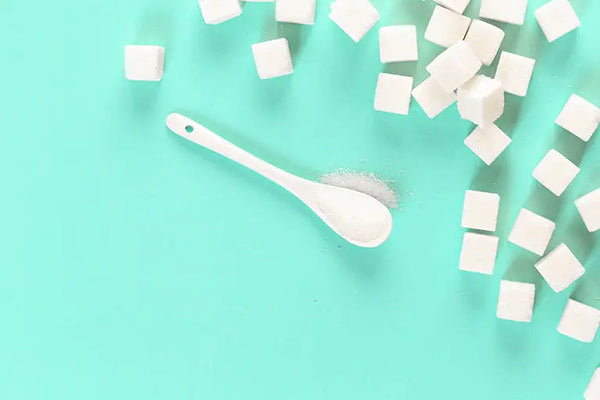
In addition to caffeine, the high sugar content of cola is also a problem during pregnancy. Most types of cola contain between 20 and 25 g of sugar per glass. The DGE recommends no more than 40 to 50 g of sugar per day. This means that with one glass of cola you have already consumed half of the recommendation.
A common problem is that many women gain a lot of weight during pregnancy. More and more pregnant women are suffering from obesity. This can lead to gestational diabetes, which is associated with risks for mother and child.
During pregnancy, your body reacts more slowly to the hormone insulin. Its job is to lower your blood sugar level. If you eat a lot of sweets or drink a lot of sweet drinks during your pregnancy, your insulin levels will remain elevated for much longer and the risk of gestational diabetes will increase.
You should therefore not only monitor your caffeine consumption, but also your sugar consumption. Do not consume more than 40 to 50 grams of sugar. If you are overweight, you should talk to your doctor about this issue and make sure you eat a balanced diet with as little sugar as possible.
How much caffeine does cola contain?
According to doctors and midwives, drinking a glass of cola from time to time is permitted during pregnancy. However, you should bear in mind that there are different brands and versions of cola. Not all have the same caffeine content. If in doubt, check the label and work out how much caffeine a glass contains. Some brands have 9 mg of caffeine per 100 milliliters, while others have over 25 mg. So the differences are quite big.
Alternatively, you can also opt for sugar-free and caffeine-free cola varieties. These are now available from a wide variety of manufacturers and often have hardly any difference in taste. As these varieties also contain sweeteners and other chemical substances, it is also recommended to consume them in moderation.
Frequently asked questions about caffeine and sugar during pregnancy
- Why should I not drink cola during pregnancy? You should not drink cola during pregnancy as the drink contains a lot of caffeine. Caffeine can lead to growth disorders in your baby and is associated with other risks. The high sugar content of cola is also problematic.
- Which cola does not contain caffeine? If you want to drink a cola without caffeine, you should look for caffeine-free varieties. You can often find this information on the front of the label. Note that although Coke Zero contains no sugar, it is not caffeine-free.
- Is Coke or Coke Zero healthier during pregnancy? Coke Zero is healthier than regular Coke as it contains no sugar. However, as it is still full of sweeteners, neither option is healthy. It's better to opt for natural drinks such as water, teas or juices.
- How dangerous is sugar during pregnancy? Sugar during pregnancy can lead to gestational diabetes. What's more, your baby can also develop diabetes if you consume too much. The risk of your baby developing obesity in the course of its life is also significantly increased.
- How can I tell that I have gestational diabetes? Many pregnant women do not initially realize that they have gestational diabetes. The easiest way to detect the disease is to take a blood glucose test. An elevated blood sugar level can lead to tiredness and weakness in pregnant women.
Drinking cola during pregnancy is allowed in moderation
You don't have to give up cola completely during your pregnancy. If you consume the drink in moderation, your baby should not be exposed to any risks. It is important that you pay attention to your overall consumption of caffeine and sugar. Follow the recommendations of the DGE and, if in doubt, talk to your doctor or midwife.
If you are pregnant, you should eat a balanced diet wherever possible. Avoid excessive consumption of sweets or fatty foods. This will not only protect your health, but also that of your baby.