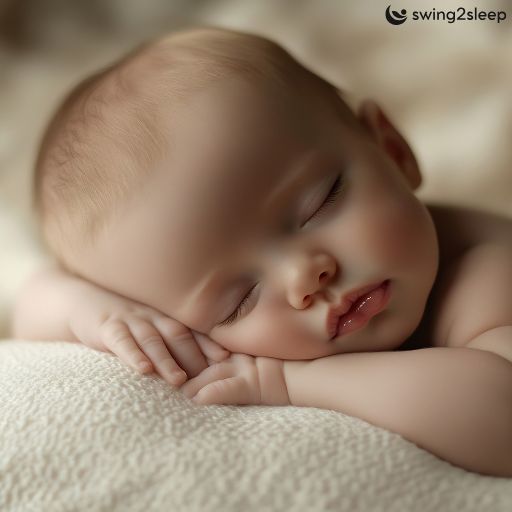


In 2016, an Australian study caused a stir. It stated that letting babies cry it out did not result in increased levels of the stress hormone cortisol in the children affected. Just as a rethink regarding traditional, misguided parenting methods had begun in this country, the study provoked horror among educators, midwives, and pediatricians. Justifiably so?
Controversial study: Is letting babies cry it out harmless?
Flinders University in Adelaide, Australia, conducted a study in 2016 (Behavioural Intervention for Infant Sleep Problems) to investigate the effects of various sleep training methods on children. For this purpose, a total of 43 babies between the ages of 6 and 16 months were divided into three groups of approximately equal size. The Ferber method was applied to the first group.
For this, the child was placed alone in its crib. If it cried, the mother or father came to comfort it verbally, but without physical contact. Gradually, the time between crying and comforting was deliberately extended further and further. The child was thus left to cry for longer and longer periods. In the second group, the parents stayed in the room until the child had fallen asleep.
The third group served as a control group. No special techniques were used with them. The result was surprising. According to the research team's findings, significantly improved sleep was observed in the first two groups. At the same time, cortisol levels remained unchanged, from which the researchers deduced that the children were not exposed to increased stress by letting them cry it out.
What is the author trying to tell us?
Does this mean we should take a step backward by simply letting the child cry and, at best, comforting it from a distance without physical contact? Would that not be a relapse into the barbarism of past times, when people still wanted to "toughen up" children and feared that too much affection would "coddle" them?
Has the maternal instinct become obsolete, and does it make sense to teach babies how to sleep properly using sophisticated scientific methods? Is it actually plausible that the child is not exposed to increased stress when separated from the parents and when its loud cries for help are ignored?

Questionable method?
The study was criticized from many sides immediately after its publication. The small size of the study, with only 43 babies, was faulted. In a follow-up measurement one month later, there were only 28, and in another three months after the experiment, only 23.
As a result, the longer-term effects on a large proportion of the participating babies were not recorded at all. Furthermore, cortisol levels were measured in the morning. This provides no insight into how much stress the children were under when they were left to cry. Nor can it be deduced whether sleep would have been different if they had been relaxed when falling asleep.
Another point of criticism was that it was not investigated to what extent sleep training changed the children's cortisol levels overall and permanently. If only the relatively short-term change is measured, a permanent increase may remain undetected.
In such a case, there would be a risk that children who were frequently left to cry as babies would generally be more susceptible to stress later in life and consequently less able to remain calm.
Letting them cry it out also harms the parents
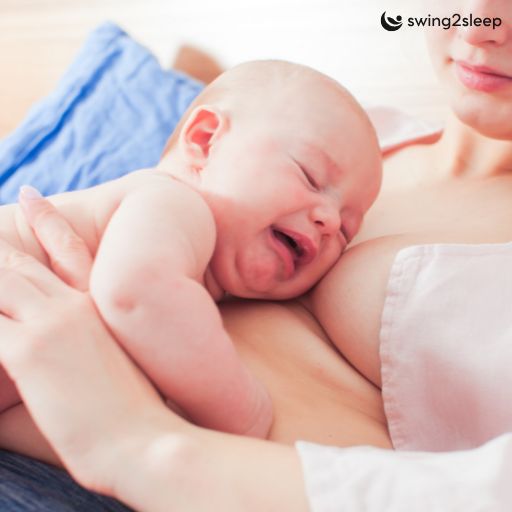
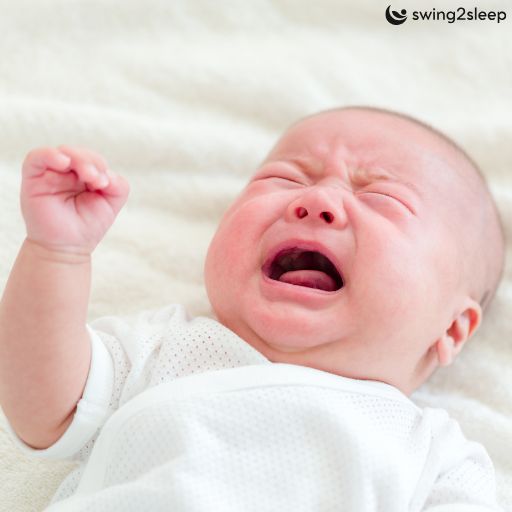
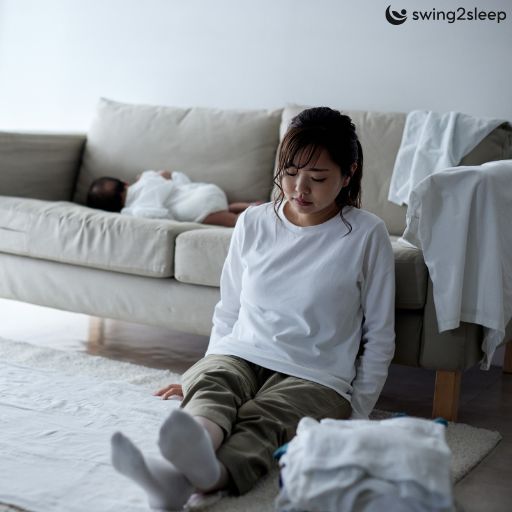
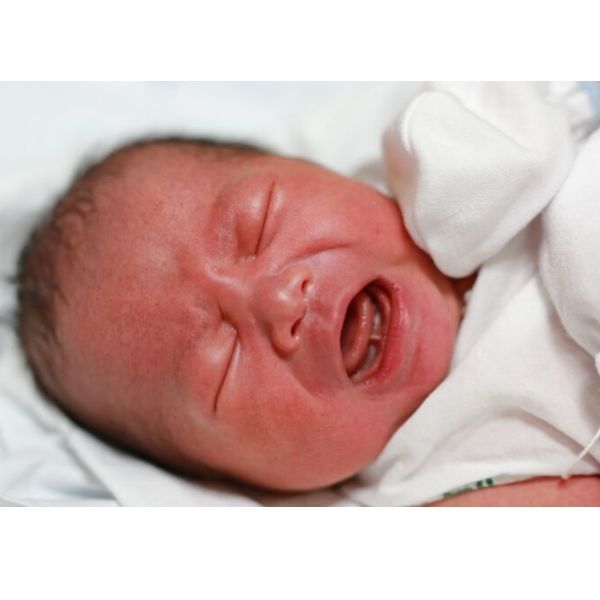
A baby's cry is a sound that goes right through an adult. The mere exposure to it can severely affect the nervous system. But for mothers, it is even worse. For them, their baby's crying is an alarm signal. Not jumping up and rushing to the child now means they have to suppress one of their strongest primal instincts. And that means enormous stress.
Parents thus harm not only their baby but also themselves with such "sleep training."
For the bond between parent and child, the idea of letting a child cry and withholding physical contact is a near catastrophe. It damages primal trust and causes an insecure sense of attachment. With devastating effects on the child's later development.
Species-appropriate care – only for animals?
In species-appropriate care, an attempt is made to replicate the natural living conditions of the respective species as closely as possible so that the animal can act out its natural instincts and behaviors. We condemn care that is not species-appropriate as inhumane.
Interestingly, we humans often forget that we ourselves are also mammals. Nevertheless, we subject ourselves to a lifestyle that follows the logic of industry and consumption and largely ignores our natural instincts and needs. The consequences are obvious everywhere and they are the same as for other animal species: we become sick in body and soul.
Babies are not yet able to reflect. They are pure instinct and pure need. Hardly ever in our lives are we as dependent on "species-appropriate treatment" as in the first months of our lives.
The protective instinct of a human mother is and always has been – as with all mammals – strongly developed. She knows instinctively what to do when her baby cries. She wants to pick the baby up and press it to her. She wants it to feel closeness and physical contact.
She "knows" that her child needs that now. The Ferber method eliminates the instinctive or natural approach. Unintentionally, it follows in the footsteps of those who wanted to create strong, tough, and hard people in the Third Reich in Germany and thereby traumatized entire generations.
In fairness, it should be mentioned that Ferber developed his approach as a pure emergency program. It was intended to help children with sleep problems when everything else had failed.
However, in 1985, when the method was developed, there were no crying clinics and no swing2sleep.
Technology for more naturalness?
In a swing2sleep, your baby feels as secure as in mommy's belly. The cozy closeness and the gentle up-and-down oscillations simulate conditions like in the womb and allow the child to feel safe and relax.
Time and again, parents report that the swing2sleep works a true miracle even with their high-need baby, and it slumbers blissfully after just a few minutes.
The swing2sleep was invented only 25 years after the Ferber method, and it took a little longer for it to become available to the general public.
Today, there is no reason to subject your child to such a procedure, which means enormous unnatural stress for both the mother and the child – morning cortisol levels notwithstanding.
So before you resort to questionable methods that you don't feel comfortable with, visit a crying clinic or try a swing2sleep, which you can also rent affordably.
And the icing on the cake is: when your child settles down in a swing2sleep, you as parents finally have a little time for yourselves again.
Why not take a look at our shop.
A swing2sleep brings relief and relaxation for babies and parents.