

With a baby in the house, time flies. One moment you were cuddling newborns, and suddenly the babies are 3 months old. But it's not just time that flies; a lot is happening in your baby's development, and more and more skills are being acquired. Baby fat is decreasing, your baby is becoming more aware of their environment, and waking phases are getting longer. There are certainly many moments when you marvel at what new things your baby has learned. But what actually happens with a baby in the 3rd month, what developmental steps does your child go through, and where does your baby stand on the development calendar? We have answered these and more questions in detail in this article to give you a better overview.

What's new in baby's 3rd month
The first two months of your baby's life were characterized by sleeping, feeding, and lots of cuddling. Your offspring's sleep-wake rhythm was still quite disorganized, and after birth, you first had to get to know each other properly. You parents were probably busy most of the time satisfying your baby's hunger, whether with breast milk or by bottle, and weight gain was the focus during your midwife's visits. But in this new, third month, a new and exciting time begins. A 3-month-old baby now makes a big leap in development – and they will probably let you feel it. Is your baby noticeably dissatisfied, restless, has gas, and finds it hard to fall asleep? Do they need a lot of contact, want to be carried, and demand the breast more often? Then they are probably developing new skills right now.
Sensory development in the third month
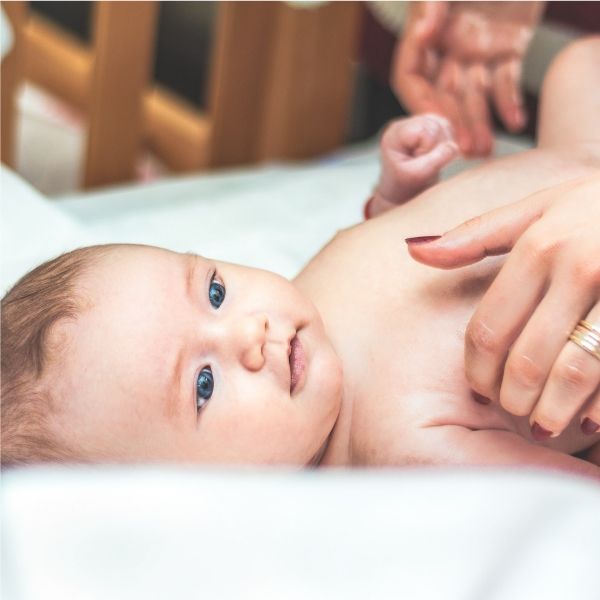
While your newborn had a real "bedroom look" and could perceive little of their environment besides you parents, your baby begins to discover the world around them in the third month. The ability to recognize colors, which was established in the second month of life, is expanded, and in addition, your sweetheart can now recognize fluid movements. The child's gaze solidifies, and the squinting that you might have noticed more in the first few weeks disappears almost entirely. You will notice this especially when your baby seeks eye contact with you – and keeps it. Patterns and sounds can now really captivate your baby, and they will be fascinated by songs and colorful toys. But even their own hands can be incredibly exciting at three months.
Motor development in the third month
Have you noticed that your baby's head has recently been moving specifically in the direction where they suspect your voice is? This is because the muscles in the neck are now building up. This is how your baby trains the muscles in their neck and back that they will need later to control their head and turn over. Your baby can certainly hold their head much better now, which offers them completely new perspectives. Vigorous kicking and pushing up in the prone position prepare your baby for scooting and crawling. But fine motor skills also develop in the third month. Objects now pique your baby's interest, and they begin to reach for them specifically, even if letting go is still difficult at times. The muscles of the hands and fingers can best be trained by playing with the parents' hands or an offering of age-appropriate toys. But be careful: when your baby starts reaching for objects, nothing is safe anymore. Even when you are holding your sweetheart in your arms, objects that could be dangerous for your baby, such as a hot cup of coffee or tea, should not be within reach.
Language development in the third month
Admittedly, talking about language development now sounds far-fetched. But actually – even if we only understand sounds and babbling, your baby is training the muscles in the area of the mouth and vocal cords. In this way, they lay the foundation for the first conversations with you parents. Probably the most beautiful example of training your baby's facial muscles: the first smile. With their voice, your baby now also transports emotions and lets you know whether they are currently amused or if action is needed. Perhaps you can now recognize hunger, a full diaper, or whether your baby wants to be accompanied to sleep based on the crying. Whether reading aloud, singing, or just having a nice chat with your offspring – your baby will learn from the mouth movements and sounds.
What a three-month-old baby should be able to do
Every child is different, and so every baby develops at their own pace. If your baby cannot yet hold their head or rejects the prone position, you don't need to worry right away. Motor skills often develop in spurts and alternate with growth and weight gain. Your baby's development is examined in the check-ups at the pediatrician between the third and fourth month of life, the so-called U4. During this, it is checked whether:
- your baby drinks well, sleeps, and shows age-appropriate behavior. Your doctor will check this in a conversation with you parents.
- your baby can bend and stretch their arms and legs well and whether the head is held in the prone position. This examines whether the muscles in the child's arms, legs, and back are developing normally.
- the baby's eyes are developing normally. For this, your pediatrician will use a toy or other object to check whether your baby follows with their gaze.
- the child is developing well. They are weighed, measured, and the organs are also listened to.
3-month-old baby: How your everyday life changes
Your sweetheart is now more awake, and you may wonder if it is now necessary to encourage your baby and how your life will change now. This is normal, but don't worry, many things will happen on their own. Of course, you can now start a Pekip course, most are recommended from the third month, but such a course is of course not necessary. A 3-month-old baby primarily needs the people in their environment they are bonded to. However, so that you can be fully there for your sweetheart despite little sleep and a completely new life that everyone first has to adjust to, you are allowed to make it easy for yourself. There are aids that simplify your everyday life and help establish a routine:
- To promote the senses and strengthen the muscles of the hands, 3-month-old babies enjoy everything that is easy to grasp and ideally makes noises. Crinkle books, rattles, and the like make sounds, are usually colorful, and have many patterns that your baby can discover while playing.
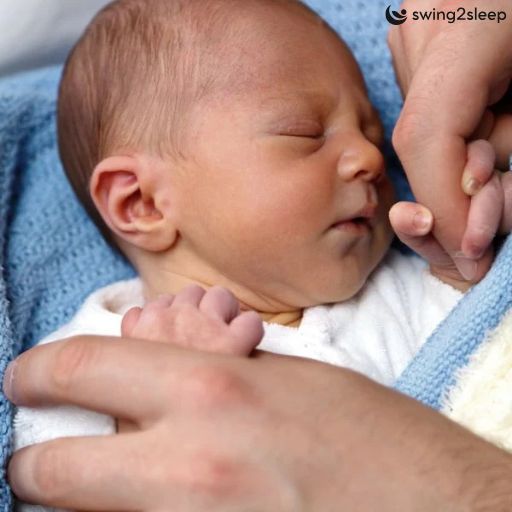
- Sleep deprivation can be like torture. Slings and carriers can provide relief. This keeps the hands free, and the infants can still sleep snuggled up. The swing2sleep brings even more relief in everyday life and for the parents' backs. With its gentle up and down movements, the child is calmly accompanied to sleep and lies safely and comfortably in the hammock, almost like in the womb.
- Breastfeeding, as well as feeding your baby with the bottle, can take place on demand. Whether breast milk or formula, you can always feed when your baby asks for it and do not have to stick to a strict plan as long as everything is medically fine.
- Everything can and nothing must. A 3-month-old baby is still tiny, you are still a very new family. Take the time you need to arrive, reorganize everything, and let things take their course.
Parents and babies: 3 months of family
So now the first three months of life are already over. Your baby is developing and thriving. You are growing together as a family and enjoying the little one's smile, all the new developments, and preparing for all the things yet to come. It will certainly be exhausting at times, and your head and heart will be full of worry or even doubt; that is normal. But the beautiful moments, the excitement, and joy will ultimately prevail as long as you take good care of yourselves. We hope we were able to give you a good overview with this guide of what it means to be able to accompany a 3-month-old baby.