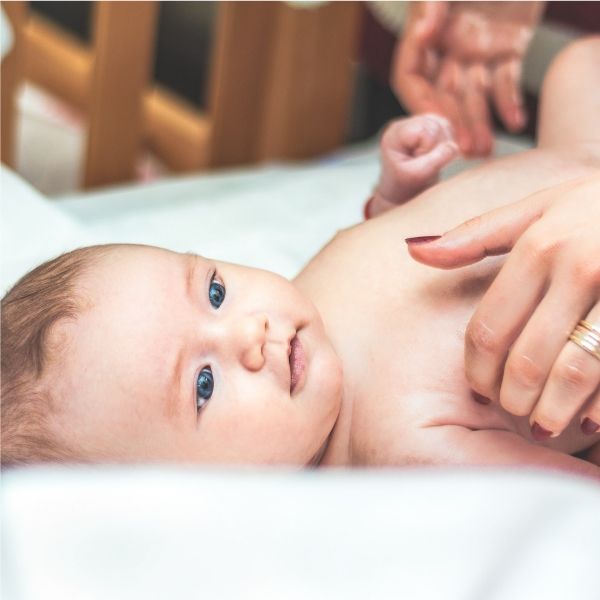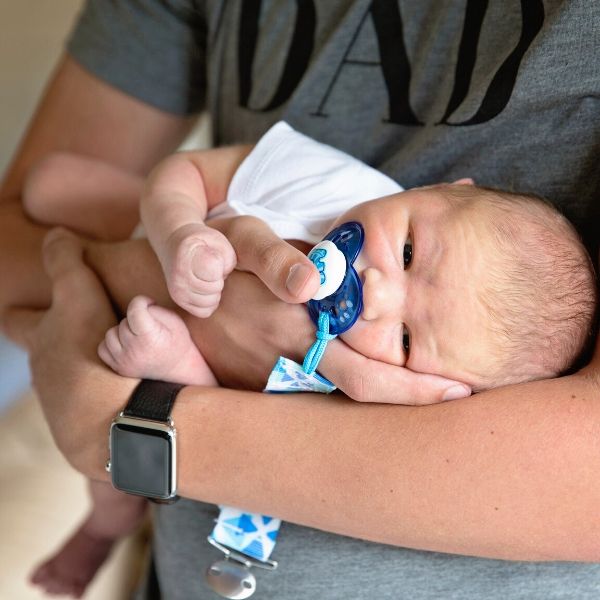
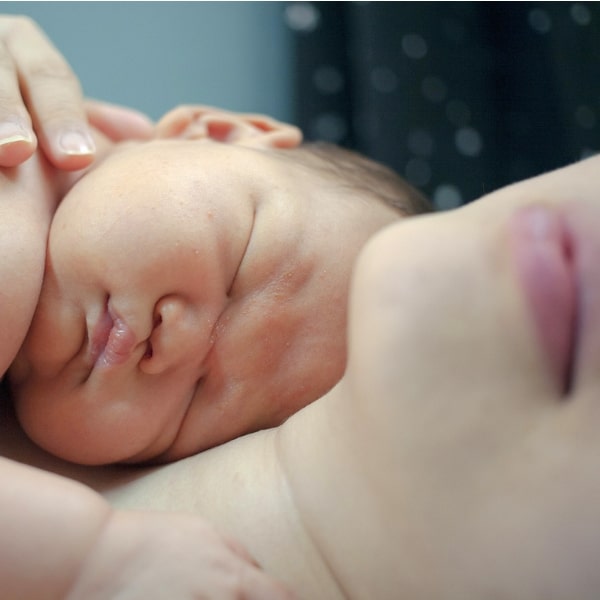


You have probably heard of the Kangaroo Method (Kangarooing). This natural method makes the incubator redundant by binding the premature baby closely to the body of mom or dad and keeping them warm in this way.
Furthermore, it strengthens the bond and prevents the separation shock that often accompanies isolation in an incubator. This trick was copied from the Australian marsupials, whose name this method now bears.

The Kangaroo Method ensures an optimal start through plenty of physical closeness
A long-term study has investigated what difference there is between newborns who enjoyed the Kangaroo Method and those for whom it was not applied. In this method, the naked baby is placed directly on the bare chest of mom or dad. To prevent cooling, the child is covered with a cloth or tied to the parent's body with a sling. This physical closeness not only naturally provides the urgently needed warmth but also strengthens the parent-child bond. This has enormous benefits for the emotional development as well as the intelligence of the child.
The result of the study speaks for itself: Apparently, premature babies in particular benefit enormously when they were carried with the Kangaroo Method – even decades later!
The study examined individuals around the age of 20, who were all born as premature babies. The participants of the study were divided into two groups. One group had been cared for in the first months in the conventional way in an incubator, the other consisted of participants who after birth had enjoyed the Kangaroo Method.
In the latter, clear advantages were still evident into adulthood: They were less aggressive, impulsive and hyperactive than the control group and even had a higher average intelligence quotient.
However, due to their small number of participants, these studies are not representative and are therefore merely an indication.
How important is the Kangaroo Method?
In the following video, Hilary Whyte, Professor of Pediatrics at the Hospital for Sick Children in Toronto, Canada, talks about the applications and benefits of the Kangaroo Method (English with German subtitles).
Positive effects on the whole family
The parents of the study participants had been very precisely instructed on how they could better respond to the needs of their baby. This also presumably had a positive side effect. In every single case, the kangaroo method had positive effects not only on the baby, but on the whole family: The couples had on average stayed together more often, even if the dad had carried the premature baby around. Furthermore, it had ensured a more positive and loving basic atmosphere within the family or the partnership.
When using the kangaroo method, parents learn to overcome their fear of contact, internalize the safe handling of the fragile little ones, and build a relationship with their preemie. All this is not possible when the child is in the incubator.
When a premature baby is born, medical care is initially the main focus, but this takes a toll on the mother-child relationship. If the mother has to give the baby away immediately after delivery so that it can be cared for in the intensive care unit, there is no release of the happy hormone oxytocin. The pain of having to give away one's own child immediately is often reinforced by feelings of guilt. Some mothers blame themselves for not being able to carry the baby for the full nine months. They feel a longing urge to stand by their child in their time of need. This makes the kangaroo method so beneficial and healing for both sides.
Where does this positive effect come from?
There are several reasons for this. For one, the mother releases more oxytocin during the kangaroo method, a happy hormone that is also considered an important factor for an intact mother-child bond. In addition, the baby permanently hears the voice and heartbeat of the mother. This gives them a sense of security and calms them down. The kangaroo method is even said to have positive effects on the breastfeeding relationship.
The kangaroo method is therefore a much more natural, personal, and gentle method than an incubator. However, it offers even more advantages that only become apparent at second glance: It has been shown that the parent's chest can regulate temperature significantly better than the incubator. The child can also breathe better, and skin contact helps them to become calmer and gain weight faster.
How long has the kangaroo method been around?
Contrary to what the name might suggest, the kangaroo method does not come from Australia, but from South America, more precisely: from Colombia. Because there were too few incubators in a clinic in 1979, doctors came up with the idea of placing premature babies on the mother's chest instead. It was believed that this was the safest place for the baby. Since then, the method has become increasingly popular. In Germany, it has been practiced since the 80s.
How often and for how long should the kangaroo method be used?
It is best if the babies are placed on the chest for as long as possible. However, repositioning is difficult if the baby is being fed artificially and is connected to monitoring devices.
A time span of at least one hour is recommended,
ideally even two.
There are doctors who advocate placing premature babies on the bare chest as often as possible, even if they are not stable and require medical monitoring and care. The chest is therefore always the better alternative than the incubator.
Is there a risk of overheating on the chest?
No, quite the opposite. For the baby, it is understandably better and more natural to be warmed by mom's breast than by an incubator.
Is the kangaroo method also suitable for babies other than preemies?
Absolutely! Mother and child always suffer from separation, even if the child is not a preemie. Even "normal" newborns enjoy spending as much time as possible on the bare chest of the mother.
Is there anything else you can do for preemies besides the kangaroo method?
Most certainly. Premature babies in particular are especially sensitive to stimuli of all kinds such as light, noise or cold. That is why preemies should always be protected from the hustle and bustle of everyday hospital life and, as far as possible, be shielded from bright light or noise from the very beginning. Furthermore, all routines should be adapted to the child, and not vice versa.
Can the kangaroo method be combined with breastfeeding?
Ideally, yes. However, if it is a very small preemie, it will initially probably be fed with expressed breast milk and possibly via a tube. From the 32nd week of pregnancy, the premature baby may then make its first attempts at drinking at the breast.
Everything big starts small. But sometimes the small thing is also the greatest of all.
For preemies, our swing2sleep automatic baby hammock is a wonderful experience. It creates the sense of security and boundaries that are so important for your baby. In addition, soothing vibrations accompany your baby to sleep. Just like in mom's belly.